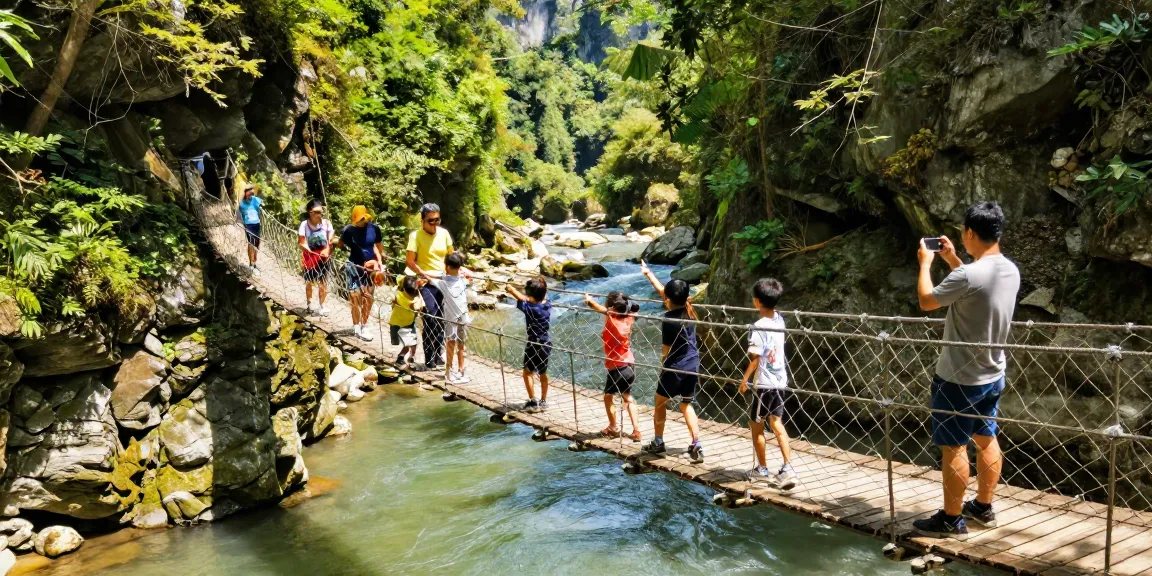
Understanding the River Rope Bridge: Design and Functionality
The River Rope Bridge is a remarkable structure that merges engineering with artistry, allowing for safe passage across challenging natural terrains. These bridges, while often visually striking, also serve practical purposes such as improving access to remote areas and enhancing recreational activities. As we delve into the world of river rope bridges, we will explore their design, history, and crucial features that make them indispensable in various settings.
What is a River Rope Bridge?
A river rope bridge is a flexible, suspended structure typically made from synthetic ropes or natural materials like hemp or sisal. These bridges are designed to accommodate foot traffic and occasionally light loads, making them ideal for hikers, adventure seekers, and even as temporary crossings in construction or military applications. Unlike traditional bridges, which rely on rigid materials such as steel or concrete, rope bridges leverage tension and flexibility to support weight effectively.
Historical Significance and Evolution of Design
The concept of rope bridges dates back centuries, with some of the earliest examples found in the mountainous regions of South America, such as the Incan Qeswachaka bridge in Peru. Traditionally, these bridges were constructed using local materials, with techniques passed down through generations. Over the years, advancements in materials science have led to the adoption of lightweight, durable synthetic ropes, allowing for innovative designs that enhance strength and safety while reducing environmental impact.
Key Features and Benefits of River Rope Bridges
- Lightweight Construction: The materials used in rope bridges are generally lighter than those used in conventional bridges, which allows for easier transport and installation.
- Flexibility: The design of a rope bridge can absorb shocks and adapt to movements, making it less vulnerable to environmental stresses like wind and flooding.
- Cost-Effectiveness: Rope bridges can often be less expensive to construct than traditional bridges, making them a viable option for remote locations.
- Minimal Environmental Impact: Their construction often requires less heavy machinery, reducing disturbance to the surrounding ecosystem.
Construction and Engineering Techniques for River Rope Bridges
Building a river rope bridge involves meticulous planning and engineering techniques that ensure safety and functionality. Understanding the materials and methods used in the construction of these bridges is crucial for their success.
Materials Used in Modern Rope Bridge Construction
Modern river rope bridges are typically constructed with high-strength synthetic ropes made from materials such as nylon or polyester. These materials offer enhanced durability, UV resistance, and reduced elongation compared to natural fibres. The anchors used to secure the bridge are often made of stainless steel or galvanised materials to ensure longevity and robustness against corrosion.
Engineering Challenges and Solutions for Building Bridges
Engineers face several challenges when designing river rope bridges, including load capacity, environmental conditions, and site-specific factors like terrain and river flow. To address these, they conduct thorough site assessments and employ advanced modelling techniques to predict performance under various conditions.
For instance, dynamic fatigue testing is often used to evaluate how the bridge will behave under repeated stress, while computer simulations can help design effective anchoring systems to withstand extreme weather.
Case Studies of Successful River Rope Bridge Projects
Globally, numerous successful river rope bridge projects exemplify meticulous planning and engineering prowess. One notable example is the Carrick-a-Rede Rope Bridge in Northern Ireland, which spans 20 metres and offers stunning views of the coastline. Another example is the Qeswachaka bridge in Peru, which is rebuilt every year by local communities, showcasing the bridge's cultural significance alongside its engineering resilience.
Safety and Maintenance Considerations for River Rope Bridges
Ensuring the safety and longevity of river rope bridges requires careful maintenance and adherence to safety protocols. With the right practices, these bridges can remain safe for users for many years.
Essential Safety Features for Usage
Safety should always be the foremost consideration when it comes to river rope bridges. Essential safety features typically include:
- Weight Limit Signs: Clearly posted guidelines to inform users of the maximum load.
- Sturdy Handrails: Providing support for users while crossing.
- Regular Inspections: Scheduled evaluations to check for wear and tear; this includes the integrity of ropes and anchoring systems.
Regular Maintenance Practices and Inspection Protocols
Routine maintenance is crucial for the safety of a river rope bridge. Inspections should be conducted at least once a year and after severe weather events. Routine tasks include checking for frayed ropes, tightness of anchor points, and the soundness of the bridge structure. Furthermore, it is essential to maintain vegetation around the bridge to prevent erosion and ensure visibility.
Common Safety Concerns and How to Address Them
Common safety concerns for river rope bridges include slipping, falling, and structural failure. To mitigate these risks, it is vital to install non-slip surfaces on walking paths and ensure sturdy handrails are in place. Additionally, educating users on proper crossing techniques can greatly enhance safety.
Environmental Impact of River Rope Bridges
When built thoughtfully, river rope bridges can positively impact the environment by providing access without significant disruption to local ecosystems. Evaluating the environmental implications is vital in the planning stages of any bridge project.
Effect on Local Ecosystems and Wildlife
Rope bridges can help protect wildlife by creating safe passageways across rivers. They allow animals to traverse areas that may have been fragmented by human activity without the risk of being harmed by vehicles. This is especially important for species that rely on riverbanks for habitat.
Sustainable Practices in Bridge Construction
Sustainable construction practices involve using renewable materials and minimising waste. Where possible, local materials should be sourced to reduce transportation impacts. Moreover, the use of environmentally friendly adhesives and finishes can further minimise the ecological footprint of the bridge.
Balancing Human Activity with Natural Preservation
Finding a balance between human activity and environmental preservation is critical. Engaging with local communities and conservationists during the planning phase can provide insights that enhance both the bridge's functionality and its ecological compatibility.
Future Trends and Innovations in River Rope Bridge Construction
As technology advances, the future of river rope bridges looks promising, with innovations set to enhance their safety, efficiency, and aesthetic appeal.
Emerging Technologies and Their Impact on Design
Emerging technologies, such as 3D printing and advanced materials science, are reshaping the way rope bridges are designed and constructed. 3D printing can allow for the creation of custom components that improve structural integrity, while advanced materials can offer greater strength at reduced weights, enhancing the overall design.
Future Aesthetics: Blending Nature and Functionality
The aesthetics of river rope bridges are likely to evolve, with future designs focused on blending seamlessly with their natural surroundings. This includes using natural colours and textures that mimic the environment, reducing visual impact while still providing functionality.
Predictions for River Rope Bridges in 2026 and Beyond
Looking ahead to 2026 and beyond, it is clear that river rope bridges will continue to be a popular choice for crossing waterways, particularly in eco-tourism and adventure travel sectors. With growing emphasis on sustainability, bridges that effectively minimise environmental impact and provide safe passage are likely to see increased demand.
What are the key benefits of a River Rope Bridge?
The key benefits of a river rope bridge include cost-effectiveness, flexibility, reduced environmental impact, and their ability to enhance accessibility in remote areas.
How do you maintain a River Rope Bridge?
Maintaining a river rope bridge involves regular inspections, managing vegetation around the structure, and addressing any wear and tear on cables or supporting elements promptly.
What materials are best for building a River Rope Bridge?
The best materials for constructing a river rope bridge include high-strength synthetic ropes, stainless steel, and other corrosion-resistant materials that ensure durability and safety under various environmental conditions.
Where are famous River Rope Bridges located?
Famous river rope bridges include the Carrick-a-Rede in Northern Ireland and the Qeswachaka in Peru, each known for their scenic views and unique construction methods.
What safety measures are crucial for River Rope Bridges?
Crucial safety measures include clear signage on weight limits, sturdy handrails, regular maintenance inspections, and educating users on safe crossing practices.