
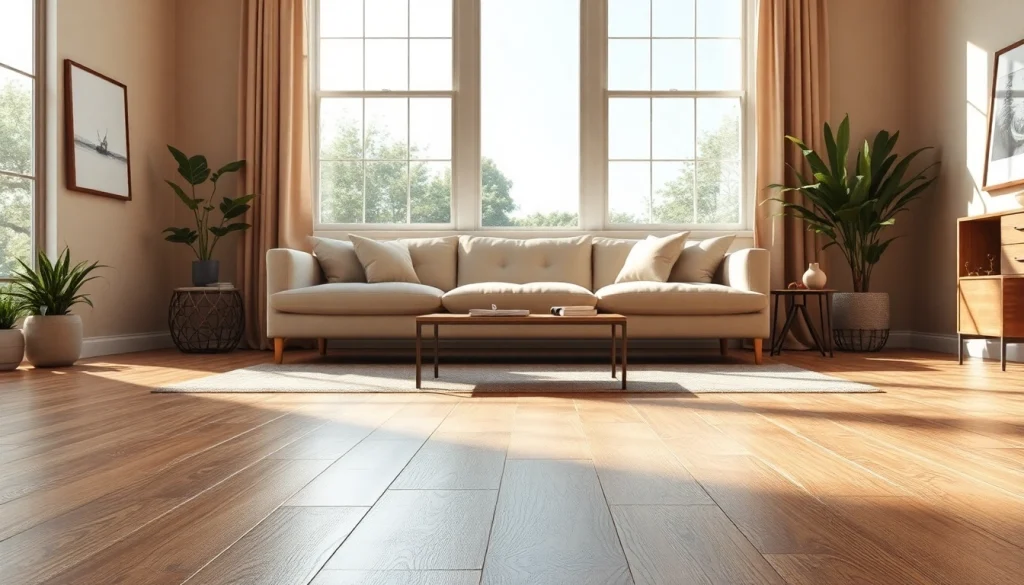
1. Understanding Vinyl Flooring
What is Vinyl Flooring?
Vinyl flooring is a synthetic flooring material designed to resemble natural materials such as wood, stone, or tile. It is made from a combination of natural and synthetic materials that are pressed together and coated with a resilient finish. This type of flooring is renowned for its affordability, versatility, and ease of maintenance, making it an increasingly popular choice for residential and commercial spaces. Additionally, advancements in technology have allowed vinyl flooring to closely mimic the appearance of more expensive flooring options while providing a durable underfoot experience.
Types of Vinyl Flooring
Vinyl flooring comes in several formats, each with its specific advantages:
- Sheet Vinyl: Rolls of vinyl that can cover large areas seamlessly make installation quick and easy. Ideal for kitchens and bathrooms due to its water resistance.
- Vinyl Tile: Often used in DIY projects, vinyl tiles come in numerous designs and can be installed easily. They are suitable for users who want to customize their flooring.
- Luxury Vinyl Plank (LVP): Resembling hardwood flooring, LVP offers greater stability and water resistance. This makes it a perfect choice for areas prone to moisture.
Benefits of Choosing Vinyl Flooring
Choosing vinyl flooring offers numerous benefits that enhance both the aesthetics and functionality of a space:
- Affordability: Vinyl is generally less expensive than its hardwood or tile counterparts, making it an excellent option for budget-conscious renovations.
- Durability: Vinyl flooring is resistant to scratches, dents, and stains, ensuring it maintains its appearance over time.
- Water Resistance: Most vinyl flooring options can withstand moisture, making them suitable for bathrooms, kitchens, and basements.
- Comfort Underfoot: Vinyl provides a softer feel than harder surfaces like tile or wood, making it more comfortable to stand on for extended periods.
- Easy Installation: The installation process for vinyl flooring is often simpler than other flooring types, which can save time and labor costs.
2. Selecting the Right Vinyl Flooring
Evaluating Your Space Requirements
Before selecting vinyl flooring, understanding the space and its specific needs is crucial. Key factors to consider include:
- Room Size: Larger rooms may benefit from sheet vinyl for a seamless look, while smaller rooms can handle tiles or planks more easily.
- Foot Traffic: Areas with high foot traffic require more durable options. Luxury vinyl planks and tiles often outperform basic vinyl options in these situations.
- Moisture Levels: High moisture environments demand water-resistant options like LVP or sheet vinyl to prevent damage.
Choosing the Right Style and Design
With an array of designs available—from natural wood finishes to intricate stone patterns—selecting the right aesthetic for your space is essential. Consider the following:
- Color Schemes: Choose shades that harmonize with your overall décor. Lighter colors can make rooms feel larger, while darker tones add warmth.
- Texture: Different finishes can create varying textures. For example, embossed designs can enhance realism and tactile appeal.
- Patterns: Some users may prefer a simple look, while others might opt for intricate patterns that add visual interest to their spaces.
Comparing Different Brands and Products
If you’re leaning towards vinyl flooring, it’s essential to compare brands and product lines based on features, warranty terms, and user reviews. While some brands promote high durability and unique styles, others may focus more on eco-friendliness or budget-friendliness. Look for:
- Warranty Length: A longer warranty often indicates greater manufacturer confidence in the product’s durability.
- Customer Reviews: Insights from actual users can be invaluable in assessing the quality and performance of specific products.
- Material Composition: Understanding what materials went into the flooring can provide insights into its environmental impact and longevity.
3. Installation Process for Vinyl Flooring
Preparing Your Subfloor
Proper installation of vinyl flooring begins with preparation. The subfloor should be:
- Clean: Remove dust, debris, and old floor coverings to ensure a smooth surface.
- Level: Any imperfections should be addressed. Uneven floors can lead to installation issues and could affect the longevity of the vinyl.
- Dry: Ensure the substrate is completely dry to prevent moisture issues that may lead to mold or warping.
Step-by-Step Installation Guide
Once your subfloor is prepared, follow these steps for installation:
- Measure Your Space: Accurately measure your room to determine how much vinyl is needed.
- Cut the Vinyl: Use a utility knife and a straight edge to cut the vinyl flooring to fit your room’s dimensions.
- Lay the Vinyl: Start from one corner and lay the flooring in place, ensuring it fits snugly along the edges.
- Adhere as Needed: Depending on your vinyl type, you may need glue or adhesive strips to secure it in place.
- Trim Edges: Use a trim to cover gaps along the edges for a polished finish.
Common Installation Mistakes to Avoid
When installing vinyl flooring, avoid these pitfalls:
- Not Acclimating the Flooring: Allow vinyl to acclimate to the room’s temperature and humidity before installation to prevent warping.
- Skipping Subfloor Preparation: Properly preparing the subfloor can save a lot of issues in the long run.
- Poor Adhesive Application: Ensure adhesive is applied evenly to prevent lifting or bubbling in your vinyl flooring.
4. Maintenance and Care for Vinyl Flooring
Cleaning Best Practices
Regular cleaning is essential to maintain the appearance and longevity of vinyl flooring. Here are some best practices:
- Sweeping and Vacuuming: Regularly sweep or vacuum to remove dirt and debris that can cause scratches.
- Wet Mopping: Use a damp mop with a gentle cleaner specifically formulated for vinyl to clean the surface without causing damage.
- Spot Cleaning: Address spills and stains promptly with a suitable cleaner to prevent long-lasting damage.
Preventing Damage and Wear
Preventing damage to vinyl flooring can be achieved through various precautions:
- Use Mats: Place mats at entryways to trap dirt and moisture before it reaches your flooring.
- Furniture Pads: Use furniture pads to protect the flooring from heavy furniture that may cause indentations.
- Avoid Abrasive Cleaners: Steer clear of harsh chemicals that can damage vinyl flooring’s finish.
Long-term Care Tips
To ensure your vinyl flooring lasts for years, consider these long-term care tips:
- Regular Inspections: Periodically examine your flooring for any signs of wear, moisture damage, or discoloration.
- Avoiding Excessive Moisture: Ensure there’s no standing water or excessive humidity nearby to prevent warping.
- Professional Maintenance: Consider professional cleaning every few years to revitalize the flooring and prolong its lifespan.
5. FAQs About Vinyl Flooring
How durable is vinyl flooring?
Vinyl flooring is exceptionally durable, resistant to scratches and dents, making it ideal for high-traffic areas. With proper care, it can last 10-20 years or longer.
Can I install vinyl flooring myself?
Yes, many types of vinyl flooring, especially tiles and planks, are designed for easy DIY installation with straightforward tools and minimal experience.
What are the best cleaning products for vinyl flooring?
Use gentle, pH-balanced cleaners specifically designed for vinyl flooring. Avoid harsh chemicals that could damage the surface.
Is vinyl flooring suitable for wet areas?
Yes, many vinyl flooring options, particularly luxury vinyl, are water-resistant, making them suitable for bathrooms and kitchens.
How does vinyl flooring compare to hardwood?
Vinyl flooring is more affordable and easier to maintain than hardwood. It offers similar aesthetics with improved resistance to moisture and scratches.