Overview of the Manaslu Circuit Trek
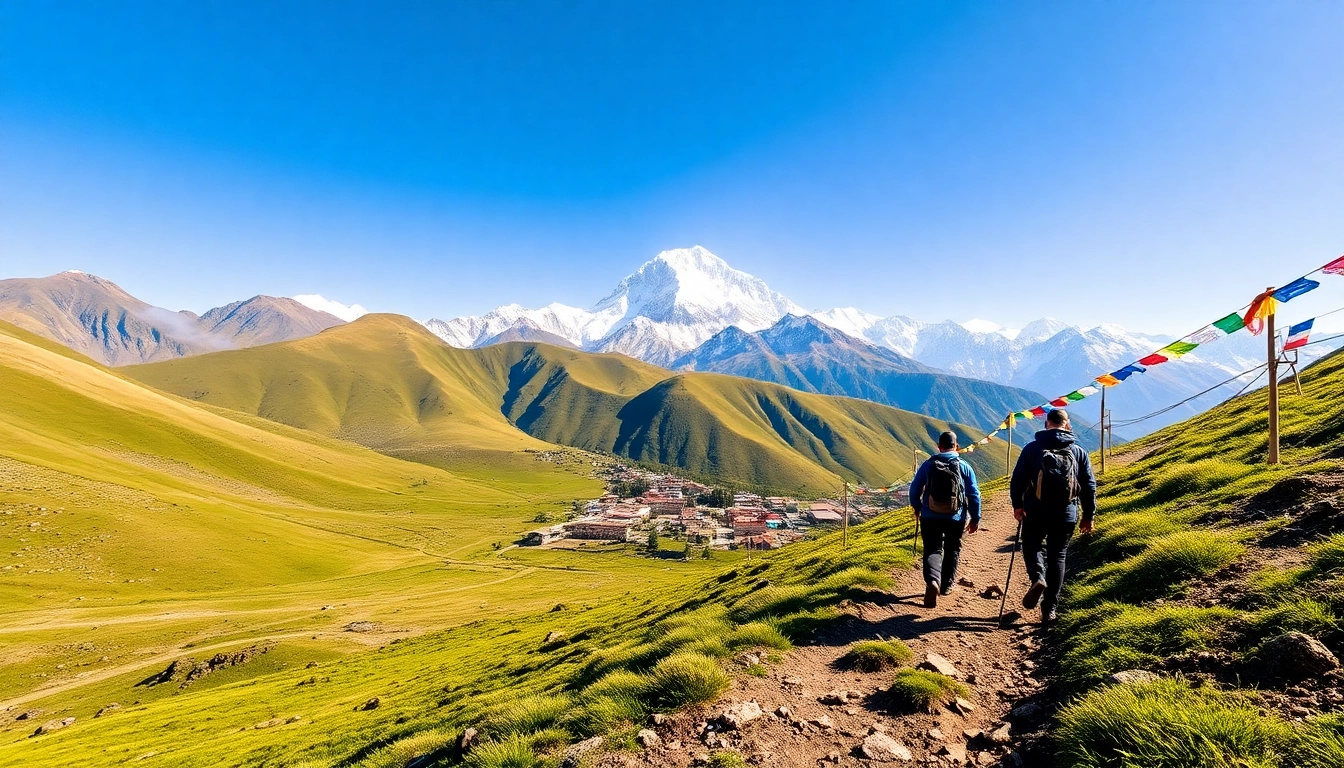
The Manaslu Circuit Trek is an extraordinary 15-day adventure through the remote and pristine landscapes of Nepal. This trek encapsulates the true spirit of the Himalayas, offering trekkers breathtaking views of the eighth highest mountain in the world, Mount Manaslu, and a rich tapestry of cultural experiences with the local communities. Nestled in the Gorkha District, this trek provides an enticing mix of serene trails, high-altitude passes, and vibrant traditions, making it an exceptional choice for avid adventurers. As you embark on this journey, you will traverse through lush forests, picturesque villages, and breathtaking landscapes that reveal the majestic beauty of the Himalayas.
When planning your trip, consider checking out the detailed insights on the manaslu circuit to get a clear understanding of the trek's depth and variety.
What to Expect on Your Trek
Your Manaslu Circuit adventure will be a mix of physical challenge and captivating scenery. Expect to walk for approximately 5-8 hours each day as you ascend to elevations exceeding 5,000 meters. The trek takes you through quaint villages where you can interact with local communities, enjoy authentic meals, and witness traditional Tibetan Buddhist practices. Along the way, the diverse landscapes offer a range of experiences—from lush, green hillsides to stark, snow-capped mountain passes.
Key Highlights of the Journey
- Stunning views of Mount Manaslu and surrounding peaks such as Kanguru and Himlung.
- Crossing the Larkya La Pass, which stands at 5,160 meters and offers breathtaking panoramic vistas.
- A rich cultural experience through remote villages like Samagaon and Lho, where you can immerse yourself in Tibetan culture.
- Acclimatization day in Samagaon, providing the chance to visit Birendra Lake and Manaslu Base Camp.
- Experiences of diverse ecosystems and wildlife unique to the region.
Understanding the Trekking Distance
The Manaslu Circuit spans approximately 177 kilometers (about 110 miles), integrating various terrains, including steep ascents, rolling hills, and rugged landscapes. Each day's trek can vary from 15 to 20 kilometers, depending on the itinerary segment, making it essential for trekkers to maintain a good level of physical fitness. This trek combines both exhilarating climbs and gentle descents, ensuring a balanced and rewarding hiking experience.
Planning Your Manaslu Circuit Adventure
Choosing the Right Season to Trek
Selecting the right season is crucial for a successful trek on the Manaslu Circuit. The best times to embark on this journey are during the spring (March to May) and autumn (September to November), when the weather is typically more stable, offering clear skies and breathtaking views. Avoid the monsoon season (June to August) due to heavy rains leading to slippery trails and potential landslides. Winters in the region are cold, which may pose challenges due to snowfall and trail blockages.
Essential Permits and Requirements
To trek in the Manaslu region, trekkers need to secure several permits: the Manaslu Conservation Area Permit (MCAP), the Manaslu Restricted Area Permit (MRAP), and the Trekkers Information Management System (TIMS) permit. These permits can usually be arranged through your trekking agency, and it is essential to have them before starting your journey to avoid any legal complications along the trail.
Budgeting Your Trip: Costs Involved
The overall cost for the Manaslu Circuit Trek can range from $1,500 to $2,500, depending on various factors including the season, trekking agency fees, and personal preferences. Ace the Himalaya offers the trek at a standard price of USD 1,550 per person, which typically includes permits, accommodation, meals during the trek, and the services of experienced guides and porters. Make sure to budget for additional costs such as gear rentals, snacks, and any optional activities.
Preparing for the Trek
Physical Fitness and Training Recommendations
Given the trek's challenging nature, proper physical conditioning is paramount. Engage in regular cardio workouts such as running, cycling, or hiking, for at least two months prior to your trek. Aim to walk on uneven terrains and ascend hills to simulate trekking conditions. Building stamina will help immensely during long days of hiking and increase your overall enjoyment of the experience.
Packing List for the Manaslu Circuit
A comprehensive packing list is crucial for your success on the trek. Essential items include:
- Layered clothing suitable for varying temperatures.
- Sturdy trekking boots with good ankle support.
- Down jacket for warmth during cold nights.
- Sleeping bag rated for cold temperatures.
- First aid kit, including altitude sickness medication.
- Water purification tablets and reusable water bottle.
- Snacks for energy along the trail, such as nuts and energy bars.
Gear Rental and Purchase Options in Kathmandu
For those who prefer not to bring all their gear, Kathmandu offers numerous rental shops where you can find high-quality trekking equipment at reasonable prices. Essential items like sleeping bags, down jackets, and trekking poles can be easily rented. Additionally, local shops in Thamel offer an array of gear for purchase if you prefer owning your equipment.
Experiencing Local Culture Along the Trek
Interacting with Local Communities
The Manaslu Circuit Trek offers rich opportunities to engage with local communities, including the Gurung and Tibetan peoples. These interactions can provide profound insights into their customs, traditions, and daily life. Visitors are often welcomed warmly, and engaging with locals can enhance the trekking experience.
Traditional Cuisine to Try During Your Trek
Along the route, you will have the opportunity to experience local Nepali and Tibetan cuisine. Popular dishes include:
- Daal Bhat: A staple dish involving rice, lentils, and vegetables.
- Momos: Tibetan dumplings filled with meat or vegetables.
- Thukpa: A hearty noodle soup that is perfect after a long day of trekking.
- Chiya: Traditional Nepali tea often served with milk and spices.
Significance of Buddhist Practices and Monasteries
The trek is dotted with various Buddhist monasteries and spiritual sites, reflecting the region's rich cultural heritage. Visitors can observe rituals, attend prayer sessions, and even engage in local festivals. These experiences can provide a deeper understanding of the spiritual significance of the region and its people.
Health and Safety Considerations
Understanding and Preventing Acute Mountain Sickness
One of the critical concerns for trekkers in high-altitude regions is Acute Mountain Sickness (AMS). To mitigate this risk, proper acclimatization is vital. Take time to adjust to higher altitudes, stay hydrated, and be aware of your body’s signals. Symptoms may include headache, nausea, and dizziness. If you experience these symptoms, it's essential to descend to a lower altitude and seek medical attention if necessary.
Emergency Protocols and Guide Responsibilities
Your trekking guides are trained to handle emergencies and will have first aid kits, including medications for altitude sickness. They carry communication devices to contact rescue services if emergencies arise. Ensure you understand their procedures and follow their guidance throughout the trek.
Travel Insurance Importance for Trekking
Obtaining travel insurance is crucial for participants embarking on a trek like the Manaslu Circuit. Ensure your policy includes coverage for medical evacuation, trip cancellations, and accidents. This safety net protects you against unforeseen events and provides peace of mind as you explore the Himalayas.