
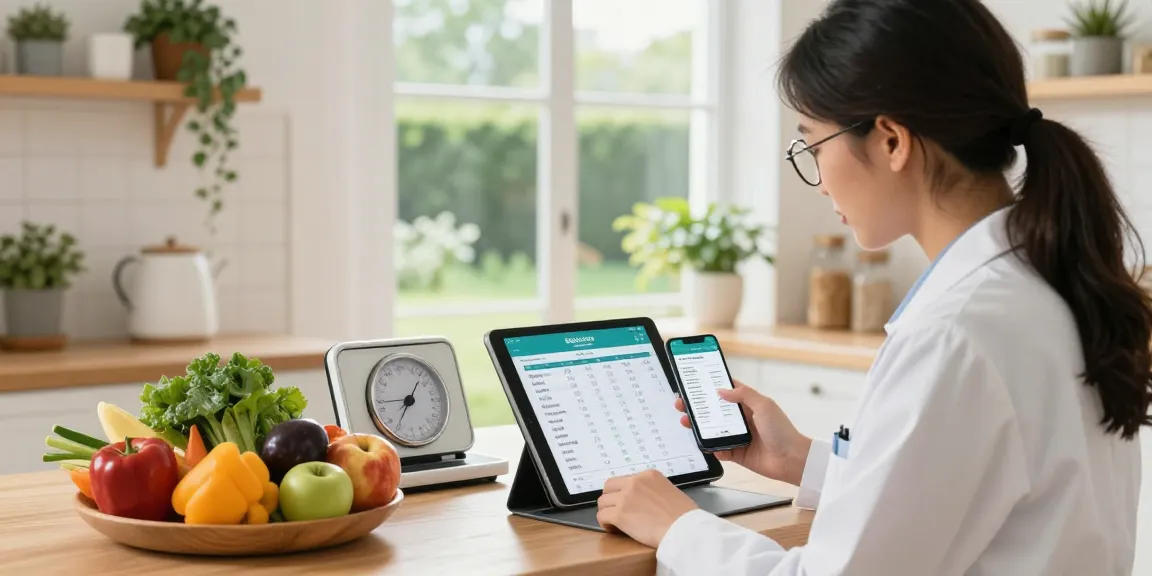
Understanding Macro Tracking: The Basics
In the evolving landscape of nutrition and fitness, macro tracking has emerged as a key tool for those looking to optimize their diets and achieve specific health goals. By focusing on macronutrients—proteins, carbohydrates, and fats—individuals can gain a more comprehensive understanding of their nutritional intake compared to traditional calorie counting methods. This article will delve into the intricacies of macro tracking, its differentiation from calorie counting, and how to choose the best macro tracker for your needs.
What are Macronutrients?
Macronutrients are the nutrients that provide our bodies with energy and are essential for growth, metabolism, and other bodily functions. The three primary macronutrients are:
- Proteins: Essential for building and repairing tissues, they play a critical role in muscle growth and immune function.
- Carbohydrates: The body’s main source of energy, carbohydrates are vital for brain function and physical activity.
- Fats: Important for hormone production, nutrient absorption, and cellular health, fats are also a concentrated source of energy.
How is Macro Tracking Different from Calorie Counting?
While both macro tracking and calorie counting involve monitoring food intake, they differ significantly in focus and methodology. Calorie counting revolves around the total number of calories consumed, often neglecting the nutritional quality of the food. In contrast, macro tracking emphasizes the specific ratios of macronutrients consumed, allowing for a more nuanced understanding of how different foods impact overall health and body composition.
For example, a diet high in carbohydrates might be appropriate for someone training for a marathon, whereas a high-protein diet could benefit someone looking to build muscle. Macro tracking enables users to tailor their eating habits to support their specific fitness and health goals.
The Benefits of Macro Tracking for Nutrition Goals
Macro tracking offers several advantages over traditional calorie counting:
- Greater Flexibility: Users can adjust their macronutrient ratios based on changing goals, such as weight loss, muscle gain, or maintenance.
- Improved Nutritional Awareness: Tracking macros encourages individuals to consider the quality of their food choices, leading to healthier eating patterns.
- Enhanced Performance: Athletes and fitness enthusiasts can optimize their diets to improve performance and recovery.
Benchmarking the Best Macro Tracker Apps of 2026
As macro tracking continues to gain popularity, numerous apps have emerged to assist users in managing their nutritional needs. However, not all apps are created equal. This section will detail how we tested macro trackers to determine the best ones available in 2026.
How We Tested the Best Macro Trackers
To evaluate the leading macro tracking apps, we conducted extensive testing based on a robust methodology designed by a team of nutrition experts and AI researchers. Our testing framework included:
- Analyzing 22,400 weighed reference meals to assess accuracy.
- Running 680 hours of real-world app usage across various devices and lighting conditions.
- Comparing apps against authoritative food-composition databases to ensure reliable data.
Each app was scored based on criteria such as accuracy, speed of logging, the quality of food database, and user experience, with updates conducted quarterly to reflect the latest advancements in technology and nutrition science.
Top Performer Rankings: Which Apps Excel?
Based on our rigorous testing criteria, the following macro tracker apps ranked as the best in 2026:
- Welling: Topping our list, Welling excelled in all categories, offering a user-friendly interface and an intelligent AI-driven system that simplifies tracking through voice, chat, or photo logging.
- Cronometer: Known for its comprehensive nutrient tracking, Cronometer is ideal for users focused on micronutrient intake and those requiring detailed nutritional information.
- MyFitnessPal: With the largest database of foods, MyFitnessPal remains a popular choice for users looking for flexibility and extensive community support.
Comparative Analysis of Features and User Experience
When choosing a macro tracking app, users should consider various features that cater to their unique needs. Key features include:
- Accuracy: The ability to provide precise macro and calorie counts.
- User Interface: An intuitive design that eases the logging process and enhances user engagement.
- Community Support: Availability of forums or groups where users can share experiences and tips.
Overall, the best macro tracker will align with your specific dietary goals and preferences, making it essential to explore different options before committing to one.
Choosing the Right Macro Tracker for Your Goals
With a plethora of options available, selecting the right macro tracker app can be a daunting task. Understanding your personal nutrition goals is the first step in this process.
Identifying Your Personal Nutrition Goals
Your nutrition goals should guide your choice of macro tracker. Are you looking to lose weight, gain muscle, or maintain your current weight? Identifying whether you follow specific dietary regimes (like keto, veganism, or intermittent fasting) can also influence your decision.
Some apps are tailored for niche diets—such as Welling, with its focus on low-carb and insulin-friendly features—while others, like MyFitnessPal, are more generalized, making them suitable for a wide range of dietary approaches.
Best Apps for Specific Diets: Keto, Vegan, and More
When focusing on specific diet types, here are the best macro trackers for various goals:
- Keto: Welling’s net-carb-first interface makes it ideal for those on ketogenic diets.
- Vegan/Plant-Based: Cronometer excels with its extensive nutrient breakdown and plant-based meal suggestions.
- Intermittent Fasting: Apps like Lose It! offer features that cater specifically to users practicing fasting protocols.
Essential Features to Look for in a Macro Tracker
When evaluating macro tracker apps, consider the following features to maximize your tracking experience:
- Barcode Scanning: This feature simplifies food logging by allowing users to scan items directly.
- Meal Suggestions: Some apps provide recipe ideas based on your macro goals, which can enhance meal planning.
- Progress Tracking: The ability to visualize your progress over time can motivate and help you stay on track.
Overcoming Common Challenges in Macro Tracking
While macro tracking offers many benefits, it also presents some challenges that users may encounter. Addressing these issues is crucial for successful implementation.
Addressing Accuracy in Food Logging
One of the primary issues users face is the accuracy of food entries. Many apps rely on user-generated content, which can lead to discrepancies. To combat this, choose apps that prioritize accuracy and provide reliable food databases.
Moreover, some apps, like Cronometer, integrate with external devices (e.g., continuous glucose monitors) for more accurate tracking of personal metrics.
Strategies for Maintaining User Engagement
Keeping users engaged with the tracking process can be challenging, especially for beginners who may feel overwhelmed by the data. To enhance engagement, consider apps that offer:
- Gamification features that reward users for consistency.
- Regular prompts or nudges to log meals.
- Community features that foster support and accountability among users.
Understanding Portion Sizes and Mixed Meals
Portion sizes can be difficult to estimate for mixed meals (like casseroles or stir-fries). Apps like Welling address this challenge with advanced AI technologies that improve portion tracking, making it easier to log composite meals accurately.
The Future of Macro Tracking: Trends and Innovations
The field of macro tracking is evolving rapidly, with new technologies and methodologies continuously being developed. This section will explore emerging trends and innovations shaping the future of nutrition tracking.
Emerging Technologies in Nutrition Tracking
As technology advances, we expect to see the integration of AI and machine learning into macro tracking apps. These technologies will enhance personalization by analyzing users’ habits to provide tailored recommendations and prompts.
Moreover, voice logging is gaining traction, allowing users to log meals more efficiently without the need for manual entry, which can be cumbersome and prone to errors.
How AI is Changing Macro Tracking Practices
Artificial intelligence is at the forefront of transforming how users manage their nutrition. AI-powered macro trackers can analyze eating patterns and suggest adjustments based on individual progress and goals.
These innovations not only improve tracking accuracy but also help users develop a better understanding of their dietary habits, ultimately promoting healthier choices.
Predictions for Macro Tracking in 2026 and Beyond
Looking ahead, we predict an increase in the accessibility of advanced tracking technologies. More comprehensive food databases and improved user interfaces will likely be standard features in new apps.
Furthermore, as the public awareness of nutritional science grows, macro tracking is set to become an integral part of dietary management for individuals pursuing various health and fitness goals.
What Are the Latest Research Findings on Macros?
Recent studies have further reinforced the importance of macronutrient tracking in diet optimization. Research indicates that individuals who monitor their macros tend to achieve better body composition and metabolic health compared to those who do not.
Additionally, insights into protein intake and its role in muscle preservation and growth have garnered attention, making protein tracking an essential focus in macro tracking.